Introduction to Marble - History, Types, and Modern Uses
Introduction
1. Brief overview of what marble is
Marble is a natural metamorphic rock formed when limestone undergoes heat and pressure over time. It's known for its smooth texture, distinctive veining, and wide range of colors, making it a popular choice for sculpture, architecture, and interior design due to its durability and elegant appearance.
2. Importance and enduring appeal of marble in architecture, art, and design
Marble has long been valued in architecture, art, and design for its timeless beauty, versatility, and luxurious appearance. Its unique veining and ability to be polished to a high shine make it a symbol of elegance, used in everything from ancient sculptures and grand buildings to modern interiors.
3. Purpose of the blog: to explore its history, types, and contemporary applications
The purpose of this blog is to provide a clear introduction to marble by exploring its historical significance, different types, and how it's used in modern architecture, design, and art.
The History of Marble
Origins and Formation
Marble forms when limestone is subjected to intense heat and pressure over time, causing it to recrystallize into a dense, durable metamorphic rock with a smooth texture and distinctive veining.
Ancient Uses
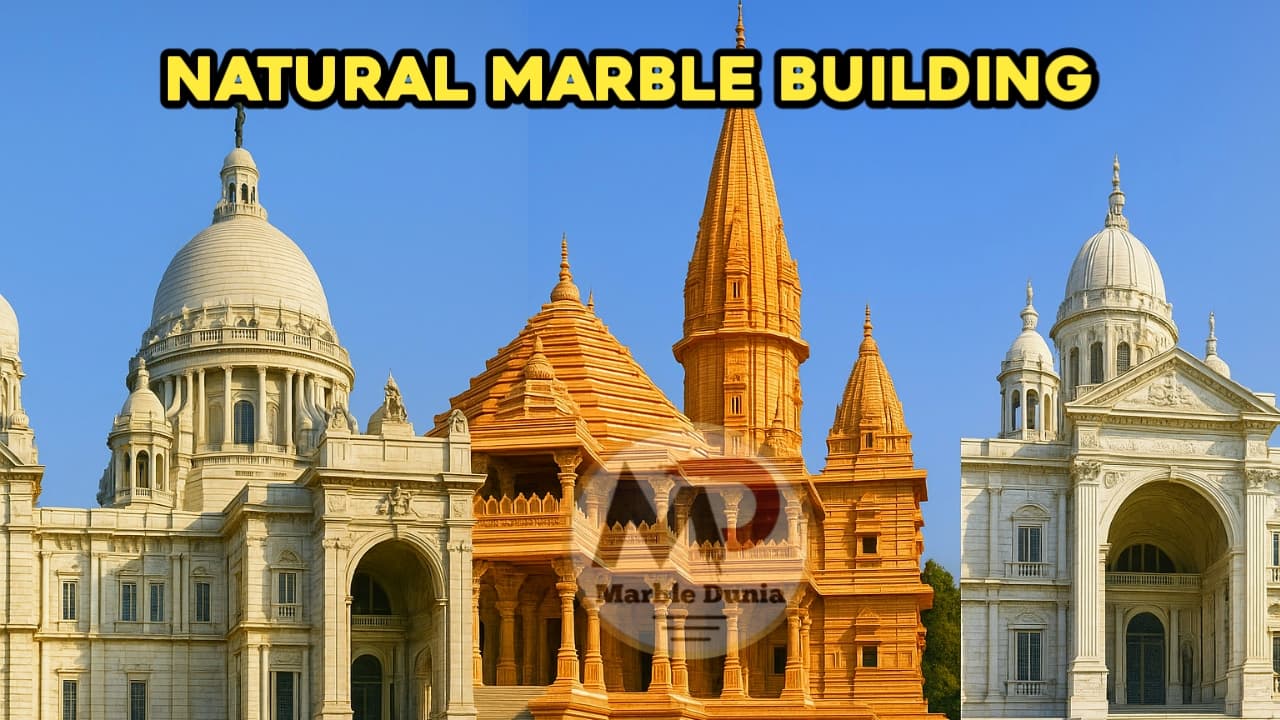
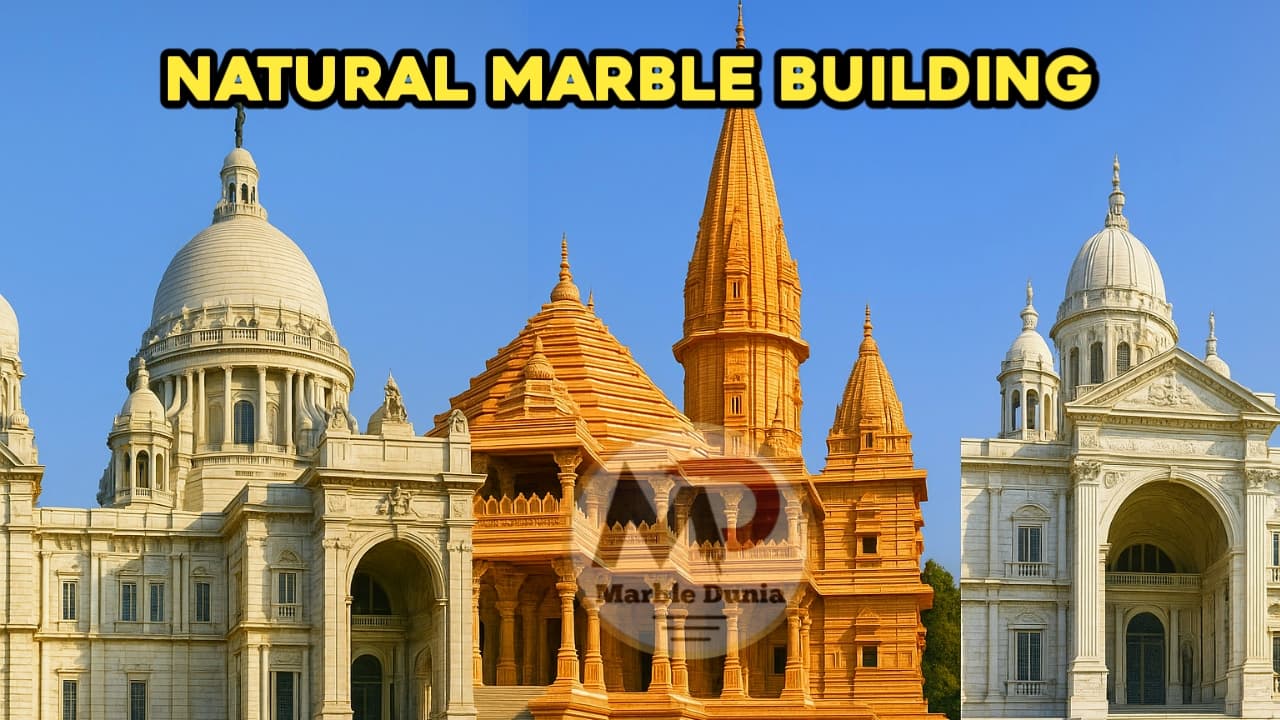
In ancient Greece, Rome and India, marble was widely used for statues, temples and public buildings - such as the Parthenon, Taj Mahal, Victoria Palace - symbolising beauty, power and cultural achievement through its durability and sophistication. And currently Makrana marble has been used in the Ram temple which is considered to be the finest marble.
Types of Marble
1. By Category
-
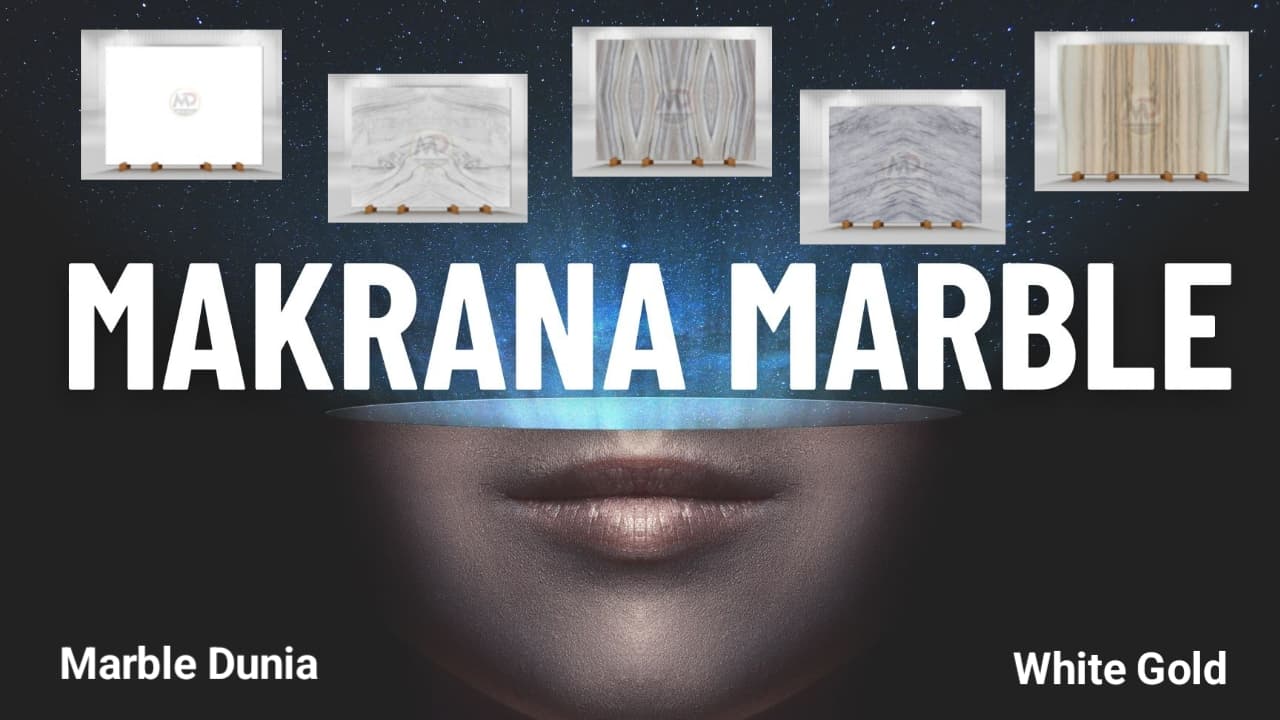
Makrana Marble: Famous in India, this marble is known for its pure white color and was used in the construction of the Taj Mahal.
-
Calacatta Marble: Also from Italy, this marble is rarer and more expensive, with bold, dramatic veins, typically in gold or gray tones.
-
Statuario Marble: Known for its pure white background and subtle veining, Statuario is another Italian marble often used in high-end sculptures and luxury interiors.
-
Thassos Marble: A pure white marble from Greece, often used for flooring and wall cladding in modern designs due to its striking brightness.
-
Carrara Marble: Sourced from Italy, this is one of the most famous white marbles, known for its soft gray veins and use in iconic sculptures like Michelangelo’s David.
2. By Region
Italian marble -
Italian marble is renowned worldwide for its exceptional quality, unique patterns, and luxurious appeal. It has been a symbol of craftsmanship and elegance for centuries, with iconic varieties like Carrara, Calacatta, and Statuario often used in sculpture, architecture, and high-end design. Sourced from quarries in Italy, particularly in Tuscany, Italian marble is prized for its fine grain, striking veining, and timeless beauty, making it a top choice for both classical and modern design projects.
Indian marble -
Indian marble is renowned for its rich quality and variety, often used in both traditional and contemporary architecture. The most famous variety is Makrana marble, known for its pristine white color and durability, famously used in the Taj Mahal. Other notable types include Ambaji, Rajnagar, and Kishangarh marbles, each with unique veining and textures. Indian marble is prized for its affordability, elegance, and versatility, making it a popular choice for flooring, countertops, sculptures, and architectural features in both domestic and commercial spaces.
Other notable sources -
Apart from Italy, marble is also sourced from countries like Turkey, Spain, and Greece. Turkish marble is known for its high-quality and diverse patterns, while Spanish marble, particularly from regions like Macael, is famous for its white and cream varieties. Greece, with its rich marble history, continues to produce renowned varieties such as Thassos marble, prized for its pure white color and used in both ancient and modern architecture.
3. Characteristics and Quality Indicators
Veining -
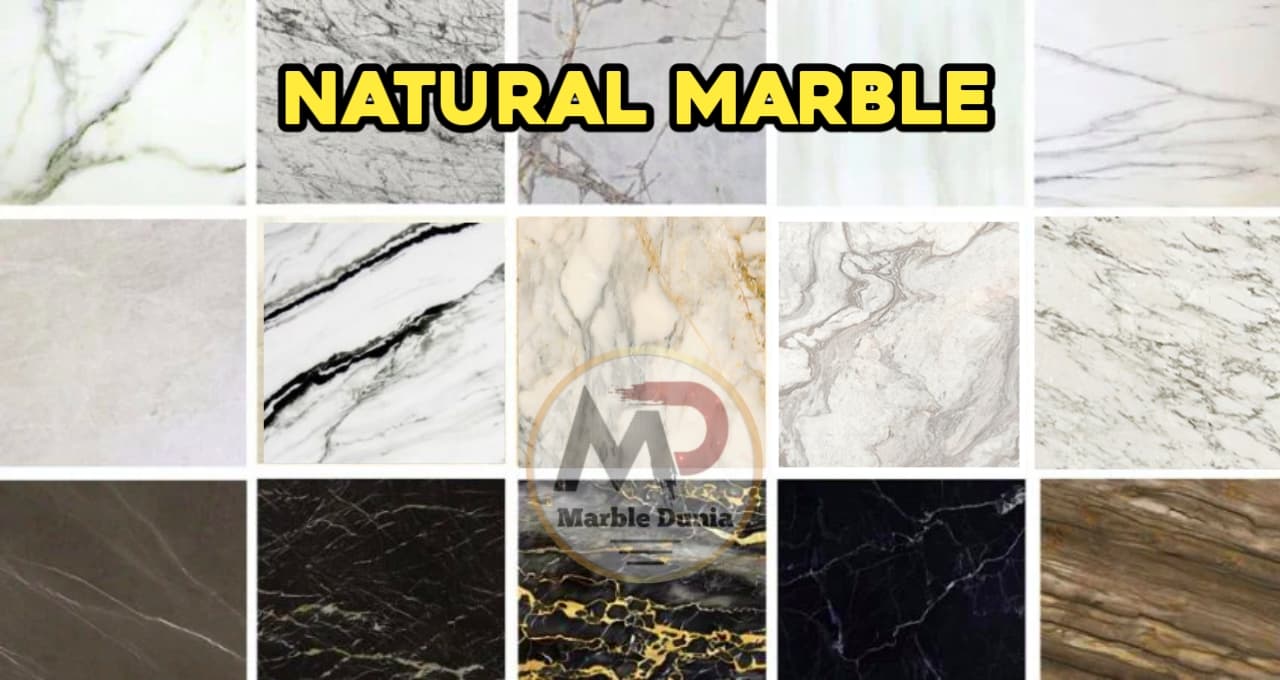
Marble’s veins are one of its defining features, created by mineral deposits. The pattern, color, and intensity of the veining can vary significantly, with some varieties like Carrara having subtle veining, while others like Nero Marquina have bold, striking patterns.
Polish -
A high-quality polish enhances marble’s natural luster, making it shiny and smooth. The better the polish, the more reflective and visually striking the stone becomes.
Durability -
While marble is durable, it is more porous and softer than other stones like granite. Its susceptibility to scratches, staining, and etching means it requires proper care, particularly in high-traffic areas.
Cost Differences -
The cost of marble varies based on quality, rarity, and source. Premium types like Calacatta or rare colors tend to be more expensive, while more common varieties like Carrara may be more affordable.
Modern Uses of Marble
Architecture and Construction
The phrase "Architecture and Construction - Flooring, wall cladding, countertops, columns" refers to key elements in building design and construction where materials and design play critical roles:
-
Flooring: The surface layer of a building's floor, designed for durability and aesthetics.
-
Wall Cladding: A protective or decorative covering applied to the exterior or interior walls.
-
Countertops: Horizontal surfaces in kitchens or bathrooms, typically made from durable materials.
-
Columns: Vertical structural elements that support loads and also serve decorative purposes.
-
Interior Design
The phrase "Interior Design – Bathroom vanities, tabletops, decorative accents" highlights key elements used to enhance the aesthetics and functionality of indoor spaces:
-
Bathroom Vanities: Cabinet structures that combine sinks with storage, often serving as a focal point in bathroom design.
-
Tabletops: The flat surfaces of tables, made from various materials to suit style, durability, and function.
-
Decorative Accents: Smaller design elements like trims, inlays, or ornamental pieces that add character and visual interest to interiors.
Art and Sculpture
The phrase "Art and Sculpture – Contemporary artists using marble for modern forms" refers to the practice of modern artists working with traditional marble to create innovative, often abstract or non-traditional sculptures:
-
Contemporary Artists: Modern-day creators who reinterpret classical materials like marble in fresh, expressive ways.
-
Marble: A timeless medium valued for its beauty and durability, now used beyond classical realism.
-
Modern Forms: Abstract, minimalist, or conceptual sculptures that challenge traditional expectations of marble art.
Commercial and Public Spaces
The phrase "Commercial and Public Spaces – Luxury hotels, office lobbies, museums" refers to high-traffic, visually impactful environments where design and material choices are crucial:
-
Luxury Hotels: Use premium materials like marble to create opulent, welcoming interiors in lobbies, bathrooms, and lounges.
-
Office Lobbies: Feature elegant flooring, wall panels, and reception counters to convey professionalism and prestige.
-
Museums: Incorporate refined architectural details and durable materials to enhance the visitor experience and support cultural presentation.
Innovative Applications
The phrase "Innovative Applications – Thin marble sheets, composite materials, and eco-conscious usage" highlights modern advancements in how marble is utilized:
-
Thin Marble Sheets: Lightweight yet durable panels used for cladding, furniture, or lighting, enabling broader design flexibility.
-
Composite Materials: Marble combined with resins or other substances to enhance strength, reduce weight, or improve installation efficiency.
-
Eco-Conscious Usage: Sustainable quarrying, recycling marble offcuts, and integrating energy-efficient processes to reduce environmental impact.
Pros and Cons of Using Marble Today
Aesthetic appeal and timeless elegance -
Pros:
-
Aesthetic Appeal: Marble offers a luxurious, high-end look with natural veining and color variation that adds depth and beauty to any space.
-
Timeless Elegance: Its classic appearance ensures long-lasting style that doesn't go out of fashion, making it ideal for traditional and contemporary designs alike.
-
Prestige and Value: Often associated with wealth and craftsmanship, marble can increase a property’s perceived value.
Cons:
-
Maintenance: Marble is porous and prone to staining, etching, and scratching, requiring regular sealing and careful upkeep.
-
Cost: It is typically more expensive than alternative materials in both purchase and installation.
-
Durability Issues: Though strong, it can be brittle and less resistant to heavy impact or acidic substances compared to some engineered surfaces.
Durability and maintenance requirements -
Pros:
-
Long-Lasting: When properly maintained, marble can last for decades, making it suitable for both residential and commercial use.
-
Heat Resistance: Marble is naturally heat resistant, which is beneficial for kitchens and fireplaces.
Cons:
-
Porosity: Marble is highly porous, making it susceptible to stains from liquids like wine, oil, or juice.
-
Scratching and Etching: It can scratch easily and reacts with acidic substances (like lemon juice or vinegar), causing dull spots known as etches.
-
Frequent Maintenance: Requires regular sealing (often annually) to protect against damage, as well as gentle cleaning products to avoid erosion.
-
Softness: Compared to granite or engineered stone, marble is softer and more prone to chips or cracks under heavy use.
Environmental and ethical considerations (sourcing, sustainability) -
Pros:
-
Natural Material: Marble is a natural, non-toxic material with minimal chemical processing, making it a more eco-friendly choice than many synthetic alternatives.
-
Longevity: Its durability can reduce the need for replacement over time, minimizing long-term environmental impact.
Cons:
-
Resource-Intensive Extraction: Quarrying marble consumes significant energy and water, disrupts landscapes, and generates waste and dust pollution.
-
Carbon Footprint: Transporting heavy marble slabs—especially imported ones—adds to its environmental cost due to high fuel consumption.
-
Ethical Concerns: In some regions, marble quarrying may involve unsafe labor practices, inadequate worker protections, or environmental negligence.
-
Limited Recycling: While marble can sometimes be repurposed, large-scale recycling is uncommon, and waste material from cutting and shaping often ends up discarded.
- 1 Makrana Marble Maa Durga Murti Price List 2025 – Updated Rates & Designs
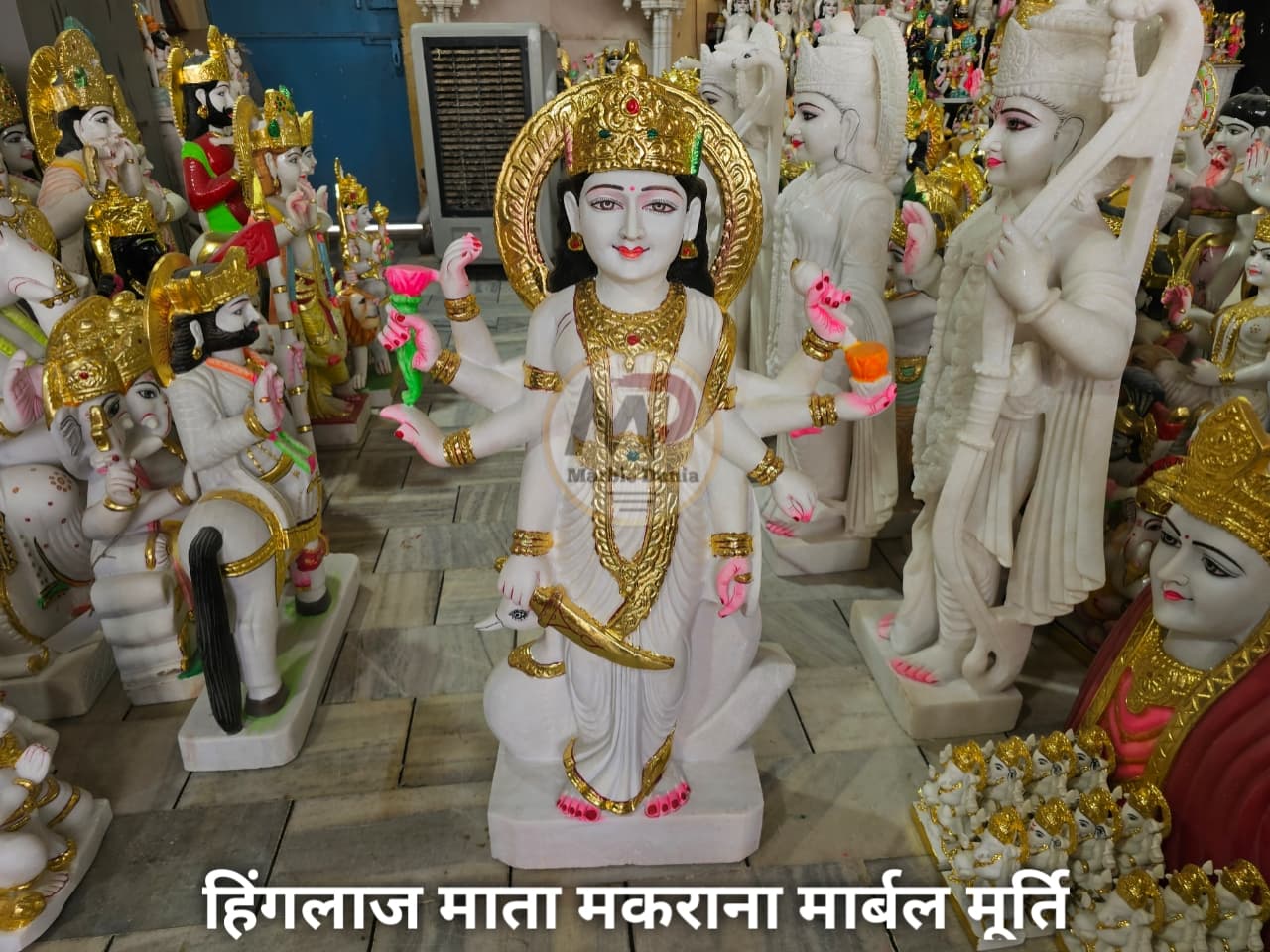
- 2 Hinglaj Mata Idol and History | Makrana Marble Statue
- 3 The Complete Guide to Makrana Marble Types and Prices
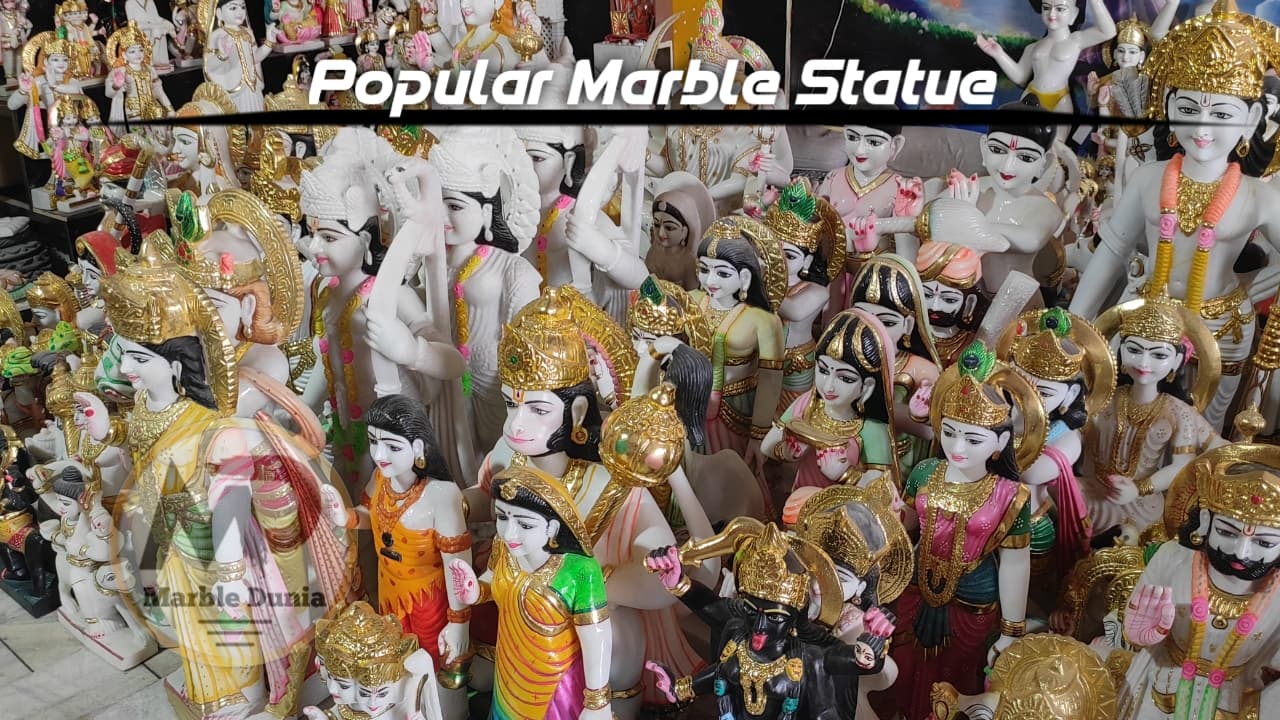
- 4 Popular Marble Statue Types for Temples, Homes, and Offices
- 5 Traditional Marble Handicraft Items That Elevate Any Space